
Cash flow Management is a critical component of running a successful business, yet it is often overlooked or neglected by busy business owners. Maintaining a healthy cash flow is essential for ensuring that a business can meet its financial obligations, invest in growth opportunities and weather any unexpected financial challenges. In this article, we will explore practical strategies and techniques that busy business owners can implement to effectively manage their cash flow and improve the financial health of their businesses.
As a busy business owner, it can be easy to get caught up in the day-to-day operations of your business and lose sight of the bigger financial picture. However, by taking the time to proactively manage your cash flow, you can avoid the stress and uncertainty that can come with cash flow shortages or financial emergencies.
From monitoring your cash flow on a regular basis to implementing strategies to increase cash inflows and decrease outflows, there are a variety of steps that you can take to ensure that your business remains financially stable and successful. By prioritizing cash flow management and implementing the practical tips outlined in this article, you can set your business up for long-term financial success and stability.
At Coach Accountant, we have streamlined the process of managing cash flow.
Imagine having the ability to effectively oversee your cash flow in just three 15-minute sessions each month.
Our systematic approach, PRACTICAL CASHFLOW MANAGEMENT for the BUSY BUSINESS OWNER, provides a clear and concise solution to mastering your financial flow. Discover the "How?" with us today.
Evaluate expenses and streamline processes.
Assessing financial outflows and optimizing operational procedures are pivotal aspects of upholding a robust financial structure within any enterprise. By meticulously analysing expenditures and refining operational workflows, businesses can effectively enhance cost-efficiency, identify potential areas of financial leakage and ultimately bolster the overall financial health of the organization.
Through a comprehensive evaluation of expenses and the implementation of streamlined processes, businesses can significantly improve their financial viability and position themselves for sustained growth and success in the competitive business landscape.
1. Review monthly spending habits.
2. Identify unnecessary costs and eliminate them promptly.
3. Automate payments and track transactions regularly.
4. Negotiate better terms with suppliers/vendors for cost savings.
5. Streamline invoicing and payment collection processes for efficiency.
6. Monitor cash flow trends and adjust strategies as needed for optimization.
Monitor accounts receivable and payable.
Effectively managing accounts receivable and payable is paramount to maintaining a healthy cash flow and sustaining the financial stability of your business. By diligently monitoring these crucial elements of your financial operations, you can ensure that outstanding invoices are promptly collected from clients, while also managing your own payments to suppliers in a timely manner.
Keeping a close eye on your accounts receivable helps prevent cash flow disruptions and minimizes the risk of bad debts, while efficiently handling accounts payable enables you to negotiate favourable payment terms and optimize your working capital.
Regularly reviewing and reconciling these accounts will provide you with valuable insights into your cash flow dynamics and enable you to make informed decisions to support the financial well-being of your business.
1. Track invoices promptly for account receivable management.
2. Schedule bill payments to maintain a smooth cash flow.
3. Monitor aging reports to follow up on overdue invoices.
4. Analyse payment terms to optimize cash management efficiency.
5. Review vendor terms to negotiate advantageous credit terms if possible.
6. Utilize accounting software for accurate tracking and financial planning.
Invest in cash flow forecasting.
To further enhance your financial control and strategic planning, it is highly beneficial to invest in cash flow forecasting. This essential tool provides you with a clear projection of your future cash position based on your expected income and expenses.
By accurately forecasting your cash flow, you can anticipate potential financial challenges, identify opportunities for growth and make informed decisions to optimize your financial performance.
Utilizing reliable forecasting techniques enables you to proactively manage your cash flow, navigate through economic uncertainties and adjust your strategies to ensure the long-term success and sustainability of your business.
1. Track income and expenses regularly for accurate cash flow projections.
2. Utilize accounting software to streamline cash flow forecasting process.
3. Monitor payment cycles to avoid cash flow gaps or delays.
4. Plan ahead for seasonal variations in cash flow requirements.
5. Review historical data to make informed decisions on future projections.
6. Stay proactive in managing accounts receivable and payable for stability.
Emphasize timely invoicing and payments.
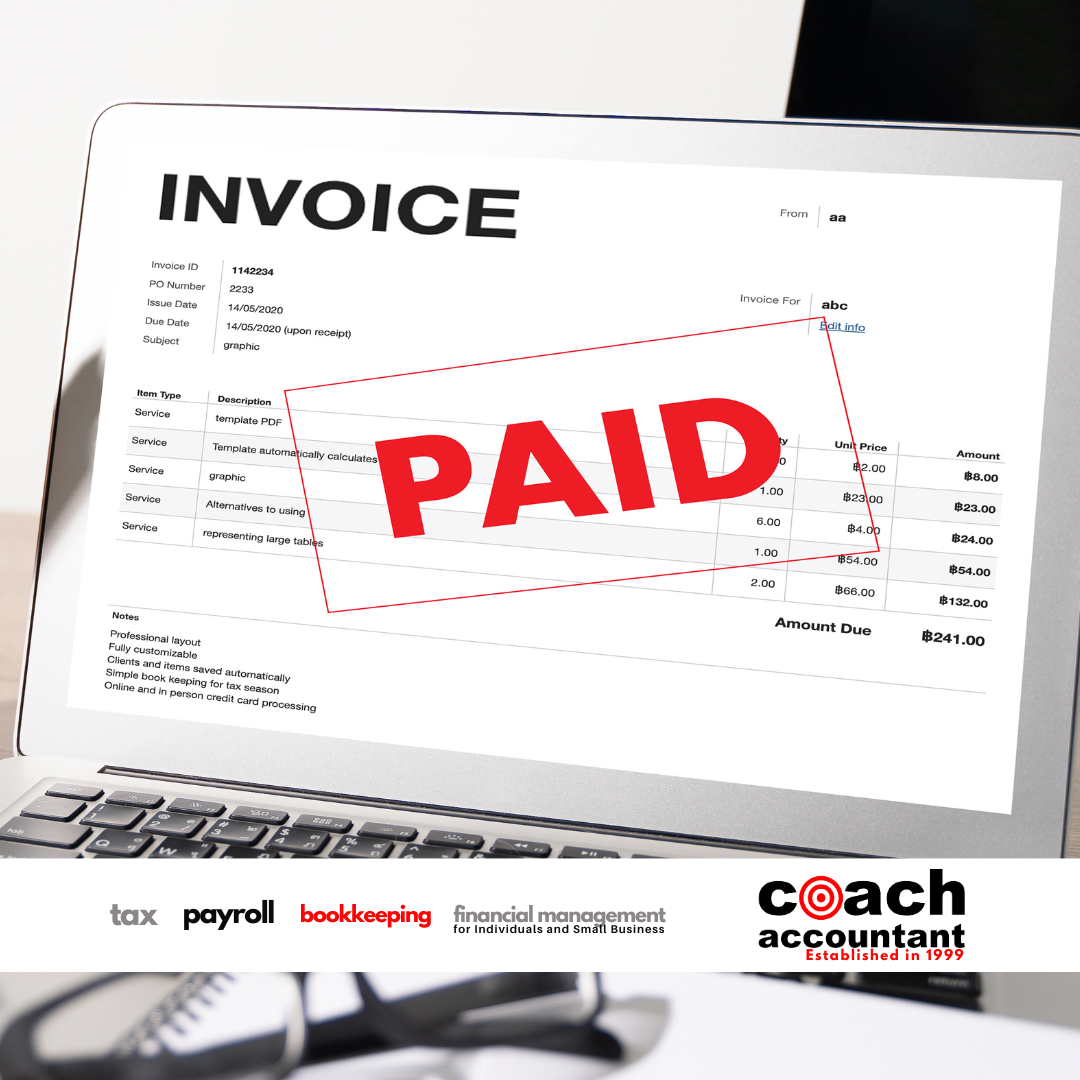
Maintaining a focus on timely invoicing and prompt payments is a fundamental aspect of effective cash flow management. By sending out invoices promptly and ensuring that payment terms are clearly communicated and enforced, you can significantly improve your cash flow efficiency.
Encouraging clients to adhere to payment schedules and promptly following up on overdue payments are vital strategies to uphold a healthy financial cycle within your business. Emphasizing the importance of timely invoicing and payments not only enhances your liquidity but also fosters stronger client relationships based on mutual respect and professionalism.
1. Send invoices promptly with clear payment terms and instructions.
2. Monitor payment deadlines to ensure timely receipts.
3. Follow up on overdue payments with polite yet firm communication.
4. Offer incentives for early payments to boost cash flow.
5. Automate invoicing processes for efficiency and accuracy.
6. Implement strategic measures for managing cash flow effectively and sustainably.
???
Seek expert financial guidance consistently.
To ensure the sustainability and growth of your business's financial health, it is imperative to incorporate expert financial guidance consistently into your operational framework. At Coach Accountant we possess the specialized knowledge and experience to offer tailored insights and strategies that align with your business goals and market dynamics.
Through regular consultations, you can benefit from valuable advice on business opportunities, risk mitigation, tax planning and overall financial optimization. By engaging with financial experts on a consistent basis, you can navigate complex financial landscapes more effectively and make informed decisions that drive sustainable profitability and long-term success.
1. Hire a reputable financial advisor to guide your decisions.
2. Stay updated on financial trends and regulations that affect you.
3. Regularly review your business's cash flow and financial statements.
4. Seek feedback and advice from experienced finance professionals.
5. Attend workshops or seminars to enhance your financial management skills.
6. Utilize software or tools for better tracking and analysis of finances.
In conclusion, effective cash flow management is a cornerstone of financial success for any business, regardless of its size or industry. By implementing practical strategies tailored to the specific needs of your business, busy owners can ensure stability, growth and resilience in the face of economic uncertainties.
Consistent monitoring, prudent budgeting and proactive decision-making are key components of a robust cash flow management system that can pave the way for sustainable business operations and long-term success.
Remember, the ability to predict, plan and adapt to changes in cash flow is vital in navigating the dynamic landscape of business finance. As a busy business owner, investing time and resources in mastering cash flow management is an investment in the future sustainability and prosperity of your business.
FAQ
How can a busy business owner effectively monitor and manage their cash flow on a day-to-day basis?
A busy business owner can effectively monitor and manage their cash flow on a day-to-day basis by utilizing online accounting software to track income and expenses in real-time, setting up automated alerts for low balances or irregular transactions, regularly reviewing financial reports, implementing cash flow forecasting to predict future cash needs, negotiating favourable payment terms with vendors and prioritizing timely invoicing and collections from customers.
Additionally, maintaining a cash reserve for emergencies and unexpected expenses can help mitigate cash flow challenges. Regularly revisiting and adjusting the cash flow management strategies as needed is crucial for sustained financial health.
What are some practical strategies for improving cash flow during slow periods or economic downturns?
Some practical strategies for improving cash flow during slow periods or economic downturns include reducing costs by renegotiating contracts, diversifying revenue streams, offering discounts for early payments, extending payment terms with suppliers, closely monitoring and managing inventory levels, improving credit control procedures to ensure timely customer payments and exploring alternative financing options such as lines of credit or loans to cover short-term cash flow gaps.
It is also crucial to maintain open communication with suppliers, customers and financial institutions to address any potential issues proactively.
How can a business owner prioritize which expenses to pay first when cash flow is tight?
When cash flow is tight, a business owner should prioritize expenses by focusing on essential costs such as payroll, utilities and inventory maintenance to ensure continued operations.
Negotiating payment plans with vendors, reducing non-essential spending and exploring alternative financing options can also help alleviate immediate financial strain. Regularly reviewing financial statements and seeking professional advice can provide insight into the best course of action to manage cash flow efficiently.
It's crucial to maintain open communication with stakeholders and adapt to changing circumstances to navigate financial challenges effectively.
What are the key financial metrics and indicators that a business owner should regularly track to ensure healthy cash flow management?
Business owners should regularly track key financial metrics such as cash flow statement, accounts receivable turnover ratio, accounts payable turnover ratio, working capital ratio and gross profit margin.
These indicators provide insights into the liquidity, efficiency and profitability of the business, helping to ensure healthy cash flow management. Monitoring these metrics allows business owners to identify potential cash flow issues early on, make informed decisions and take necessary actions to maintain a strong financial position.
Regular review and analysis of these indicators are essential for effective cash flow management and overall business success.
How can a business owner effectively communicate with suppliers, creditors, and other stakeholders to manage cash flow challenges proactively?
To effectively manage cash flow challenges, a business owner should maintain open communication with suppliers to negotiate extended payment terms, keep creditors informed about potential delays in payments and work collaboratively with stakeholders to find mutually beneficial solutions.
Regularly updating stakeholders on financial performance, seeking cost-saving opportunities and exploring alternative financing options can also help address cash flow issues proactively.
Building trust and transparency in these relationships is essential for navigating cash flow challenges successfully.